



 Tire Services
Tune-Up Basics
What a Modern Tune-Up Is, What It Includes, and Whether You Still Need One
The term “tune-up” has been around for decades, but its meaning today is very different from what it meant years ago. Many drivers still hear the word and think of carburetors, timing adjustments, and frequent service intervals. Modern vehicles, however, are far more advanced and don’t require the same routine adjustments they once did.
This page explains what a modern tune-up really is, what services are typically included, how it differs from old-school tune-ups, and when it actually makes sense to schedule one. Each section is written to stand on its own and fully answer the common questions drivers search for.
What Is a Modern Tune-Up?
A modern tune-up is not a single, fixed service. Instead, it’s a combination of inspections, replacements, and system cleanings designed to restore engine performance, efficiency, and reliability.
Today’s vehicles use:
- Computer-controlled ignition systems
- Electronic fuel injection
- Advanced sensors and engine management systems
As a result, modern tune-ups focus on wear items and performance-critical components rather than mechanical adjustments.
In simple terms, a tune-up today means:
- Replacing parts that wear out
- Cleaning components that affect airflow and fuel delivery
- Verifying that engine systems are operating correctly
The goal is to keep the engine running smoothly, efficiently, and within manufacturer specifications.
What’s Included in a Tune-Up Today?
The exact services included in a tune-up vary based on vehicle design, mileage, and condition. Not every vehicle needs every service at the same time.
Common Tune-Up Services
Most modern tune-ups include some combination of:
- Spark plug replacement
Spark plugs wear over time and can cause misfires, rough running, or poor fuel economy. - Engine air filter replacement
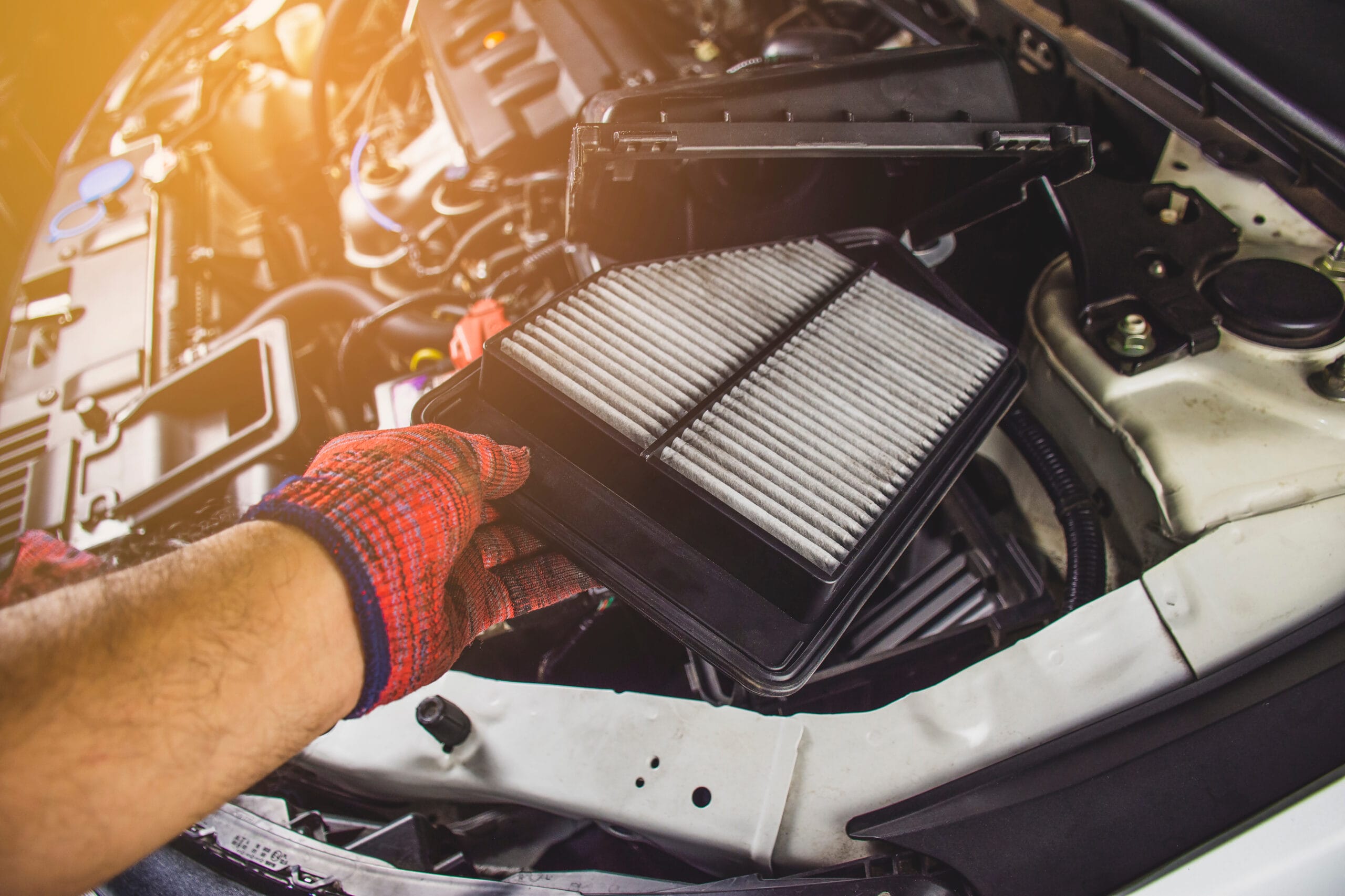
A clogged air filter restricts airflow, reducing performance and efficiency. - Fuel system cleaning
Removes deposits from fuel injectors and intake components that can cause hesitation or poor acceleration. - Throttle body cleaning
Helps restore smooth idle and throttle response. - Ignition system inspection
Includes coils, wires, and related components. - PCV valve inspection or replacement
Helps regulate engine pressure and emissions. - System scans and performance checks
Confirms sensors and engine controls are functioning properly.
A tune-up is often customized to address symptoms such as rough idle, hesitation, poor mileage, or sluggish acceleration.
Old-School vs Modern Tune-Ups
Understanding how tune-ups have changed helps explain why service intervals are longer today, even though they remain necessary.
Old-School Tune-Ups
Older vehicles required frequent tune-ups because they relied on:
- Carburetors
- Mechanical ignition timing
- Distributor caps and rotors
- Manual fuel and air adjustments
Tune-ups were often needed every 10,000 to 15,000 miles and involved adjusting multiple mechanical systems.
Modern Tune-Ups
Modern vehicles:
- Self-adjust fuel and ignition timing
- Use sensors and computers instead of mechanical controls
- Have long-life spark plugs and components
Because of this, modern tune-ups:
- Occur less frequently
- Focus on replacement and cleaning, not adjustment
- Are based on mileage, condition, and symptoms
While the name “tune-up” remains, the work itself has evolved significantly.
Is a Tune-Up Still Necessary?
This is one of the most common questions drivers ask.
Short Answer
Yes, tune-ups are still necessary, but not as often and not in the same way as in the past.
Why Modern Vehicles Still Need Tune-Ups
Even though engines are computer-controlled:
- Spark plugs still wear
- Fuel injectors still accumulate deposits
- Filters still clog
- Sensors still degrade over time
These issues don’t always trigger warning lights right away, but they can:
- Reduce fuel efficiency
- Cause rough running or hesitation
- Increase emissions
- Lead to more expensive repairs if ignored
Tune-ups help restore performance before problems become severe.
When and How Frequently Should I Get a Tune-Up?
There is no universal tune-up interval. Timing depends on vehicle design, mileage, and driving conditions.
General Tune-Up Timing Guidelines
Many vehicles benefit from tune-up services around:
- 30,000 miles
- 60,000 miles
- 90,000 miles
These intervals often align with spark plug replacement or major maintenance milestones.
Factors That Affect Tune-Up Frequency
You may need tune-up services sooner if:
- You drive mostly short trips
- You idle frequently or drive in traffic
- You tow or carry heavy loads
- The engine feels rough or sluggish
High-mileage vehicles often benefit from more frequent performance-focused maintenance.
Signs Your Vehicle May Need a Tune-Up
Some vehicles don’t show obvious warning lights but still benefit from a tune-up.
Common Symptoms
- Rough or unstable idle
- Sluggish acceleration
- Decreased fuel economy
- Engine hesitation
- Hard starting
- Increased exhaust odor
These symptoms often develop gradually, making them easy to ignore until performance noticeably declines.
Tune-Ups and Fuel Economy
One of the biggest benefits of a properly timed tune-up is improved fuel efficiency.
Worn plugs, dirty injectors, and restricted airflow cause engines to:
- Burn fuel less efficiently
- Work harder to produce the same power
Restoring proper combustion and airflow often improves mileage and throttle response.
Tune-Ups vs Check Engine Light Repairs
A tune-up is preventive and performance-focused, whereas check-engine repairs are usually reactive.
- Tune-ups aim to prevent problems
- Diagnostic repairs address active faults
In many cases, neglected tune-up items eventually trigger warning lights. Staying ahead of maintenance can reduce the need for unexpected repairs.
Do Tune-Ups Fix All Engine Problems?
No. Tune-ups address wear and efficiency issues, not mechanical failures.
Tune-ups do not fix:
- Internal engine damage
- Compression loss
- Major sensor failures
- Transmission problems
However, they often improve drivability enough that drivers notice immediate results.
Tune-Ups for High-Mileage Vehicles
High-mileage engines often benefit the most from tune-ups.
Benefits include:
- Smoother idle
- Reduced hesitation
- Improved starting
- Better fuel economy
While tune-ups won’t reverse engine wear, they help aging engines operate more efficiently and reliably.
Why Professional Tune-Ups Matter
Modern engines require:
- Correct parts and specifications
- Proper installation procedures
- Accurate system checks
Incorrect spark plugs, skipped steps, or generic services can cause new problems instead of fixing old ones.
Professional tune-ups include:
- Vehicle-specific recommendations
- Proper torque and installation
- System scans and verification
This ensures the tune-up actually improves performance instead of just checking boxes.
How Tune-Ups Fit Into Overall Vehicle Maintenance
Tune-ups work best when paired with:
- Oil changes
- Filter replacements
- Cooling system maintenance
- Tire and alignment services
All of these systems affect how the vehicle runs and responds.
Get a Tune-Up Today
A modern tune-up is a performance-focused maintenance service designed to keep today’s computer-controlled engines running efficiently and smoothly. While tune-ups are less frequent than they once were, they are still an important part of long-term vehicle care.Understanding what a tune-up includes, how it differs from old-school service, and when it’s needed helps drivers avoid unnecessary repairs while maintaining reliability. If your vehicle feels rough, sluggish, or less efficient than it used to, a tune-up may be the right next step to restore performance and confidence.
Find your nearest Colony Tire & Service location