


 Tire Services
Tire Problems & Symptoms
What Common Tire Issues Mean and When to Replace or Repair
When something feels off with your vehicle, your tires are often the first place to look. Many drivers search for answers only after noticing noise, vibration, warning lights, or visible wear. This page is designed to help you identify common tire problems, understand what causes them, and know when it’s time for a repair or replacement.
If you notice any of the symptoms below, addressing them early can prevent bigger issues and more expensive repairs.
Uneven Tire Wear Causes
Uneven tire wear is one of the most common warning signs that something is wrong. Tires should wear evenly across the tread. When they do not, it usually points to an underlying issue.
Common causes include:
- Improper wheel alignment
- Incorrect tire pressure
- Worn suspension or steering components
- Lack of regular tire rotations
Ignoring uneven wear can shorten tire life and affect handling and braking. If you notice uneven wear patterns, schedule a tire inspection and rotation before the damage becomes permanent.
Tire Vibration at Highway Speeds
If your steering wheel or seat starts shaking at higher speeds, your tires may be the cause.
Common reasons for tire vibration include:
- Tires that are out of balance
- Bent wheels or damaged tires
- Uneven or cupped tire wear
- Suspension issues
A vibration that increases with speed should never be ignored. It can lead to faster tire wear and reduced control. A tire balancing service can often resolve the issue quickly if caught early.
Low Tire Pressure Warning Light Keeps Coming On
A tire pressure warning light that keeps returning usually means one of three things:
- A slow leak from a nail, screw, or puncture
- Seasonal temperature changes affecting air pressure
- A faulty tire pressure sensor
While temperature changes can temporarily trigger the light, repeated warnings often indicate a real leak. Driving for extended periods on underinflated tires can cause uneven wear, reduced fuel economy, and overheating.
If your warning light won’t stay off, a tire pressure check and repair can identify the problem before it leads to tire failure.
Tire Cupping vs Feathering vs Scalloping
Not all uneven tire wear looks the same. Different patterns point to different problems.
Tire Cupping
Cupping appears as dips or scooped-out areas along the tread.
Common causes:
- Worn shocks or struts
- Poor suspension control
Cupping often leads to loud tire noise and vibration.
Tire Feathering
Feathering feels like smooth tread on one side and sharp edges on the other.
Common causes:
- Improper wheel alignment
This pattern can reduce traction and steering precision.
Tire Scalloping
Scalloping looks similar to cupping but is usually more severe and widespread.
Common causes:
- Suspension or balance issues left uncorrected
If you notice any of these wear patterns, it’s a sign that a simple tire replacement may not be enough. A full tire and suspension inspection helps prevent repeat wear on new tires.
Tire Noise While Driving
Tires should not be excessively loud. Unusual noise often signals a problem.
Common tire-related noises include:
- Humming or roaring at speed
- Thumping or rhythmic sounds
- Increased road noise over time
These noises are often caused by:
- Uneven tire wear
- Cupped or scalloped tread
- Aggressive tread designs wear unevenly
If tire noise is getting worse, it usually means the wear pattern is progressing. A tire evaluation service can determine whether tires can be rotated, repaired, or replaced.
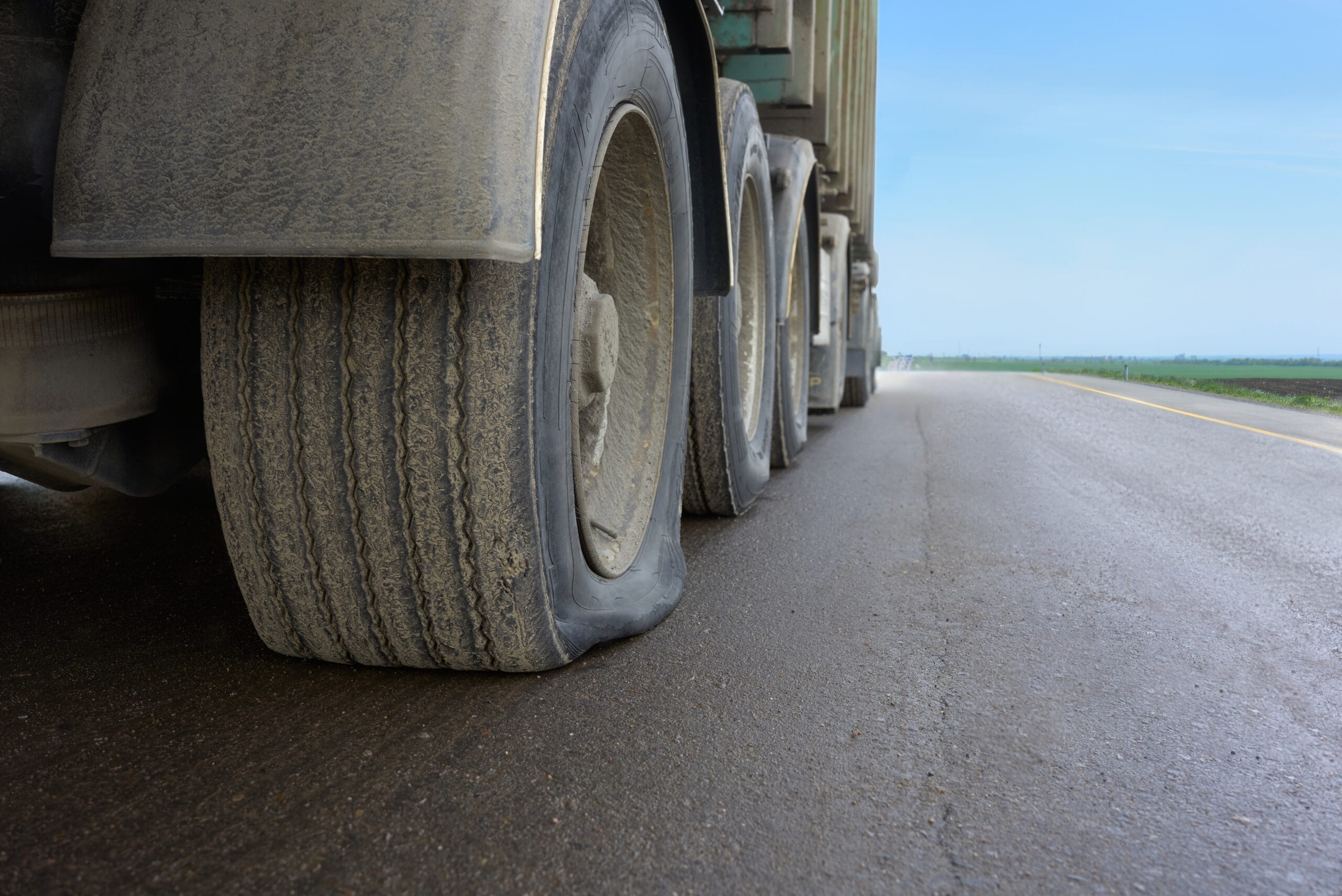
Tire Blowout Causes
A tire blowout is sudden and dangerous, but it’s rarely random.
Common causes of tire blowouts include:
- Driving on underinflated tires
- Overloading the vehicle
- Excessive heat buildup
- Severe impact damage from potholes or debris
- Old or severely worn tires
Many blowouts can be prevented with routine inspections and proper tire pressure. If your tires show cracks, bulges, or exposed cords, they should be replaced immediately through our new tire replacement services.
Can a Nail or Screw in a Tire Be Repaired?
Finding a nail or screw in your tire does not automatically mean you need a new tire. In many cases, a punctured tire can be safely repaired, depending on the location of the damage and how the tire was driven afterward.
When a Tire Can Be Repaired
A tire is usually repairable if:
- The nail or screw is in the tread area, not the sidewall
- The puncture is small, typically less than 1/4 inch in diameter
- The tire has not been driven flat or severely underinflated
- There is no internal sidewall or structural damage
In these cases, a professional patch-and-plug repair can safely restore the tire and extend its life. A proper repair seals the tire from the inside and prevents air loss over the long term.
This is where a professional tire repair makes a difference compared to temporary fixes.
When a Tire Cannot Be Repaired
A tire usually cannot be repaired if:
- The puncture is in the sidewall or shoulder
- The tire was driven on while flat
- There is visible internal damage or separation
- The tire has multiple punctures close together
Sidewall damage is especially dangerous because that area flexes constantly while driving. Repairs there do not hold safely, even if the hole looks small.
If a tire cannot be repaired, replacement through our new tire installation service is the safest option.
Should You Keep Driving With a Nail in the Tire?
If the tire is losing air slowly, drive only short distances and only to get it inspected. Continuing to drive on a punctured tire can cause:
- Internal damage that makes the tire unrepairable
- Overheating and sudden failure
- Uneven wear that affects handling
If the tire is losing air quickly or the warning light is on, it’s best to stop driving and have the tire checked immediately.
Can You Drive on a Slow Tire Leak?
A slow tire leak may seem harmless, but driving on it can be risky.
Why slow leaks are a problem:
- Tire pressure drops gradually without notice
- Underinflation causes heat buildup
- Sidewall damage can occur even at low speeds
While short trips to a repair shop are usually safe, driving for days or weeks on a slow leak can permanently damage the tire. In many cases, a simple repair can save the tire if addressed early.
If you suspect a leak, schedule a tire repair and patch as soon as possible.
When Tire Problems Mean It’s Time to Replace
Some tire issues can be fixed, while others signal the end of the tire’s life.
Replacement is usually needed when:
- Tread depth is too low
- Wear is severe or uneven
- Sidewall damage is present
- The tire is old and brittle
Our team helps you determine whether repair or replacement makes the most sense based on safety and value. Visit our tire services page to explore your options.
Why Addressing Tire Symptoms Early Matters
Most tire problems start small and get worse over time. Catching issues early can:
- Extend tire life
- Improve ride comfort
- Prevent breakdowns
- Reduce long-term repair costs
If something feels or sounds wrong, trust your instincts. Colony Tire & Service provides honest evaluations and clear recommendations so you can drive safely and confidently.
If you’re experiencing any of the symptoms above, schedule a tire inspection today and get answers before the problem grows.