



 Tire Services
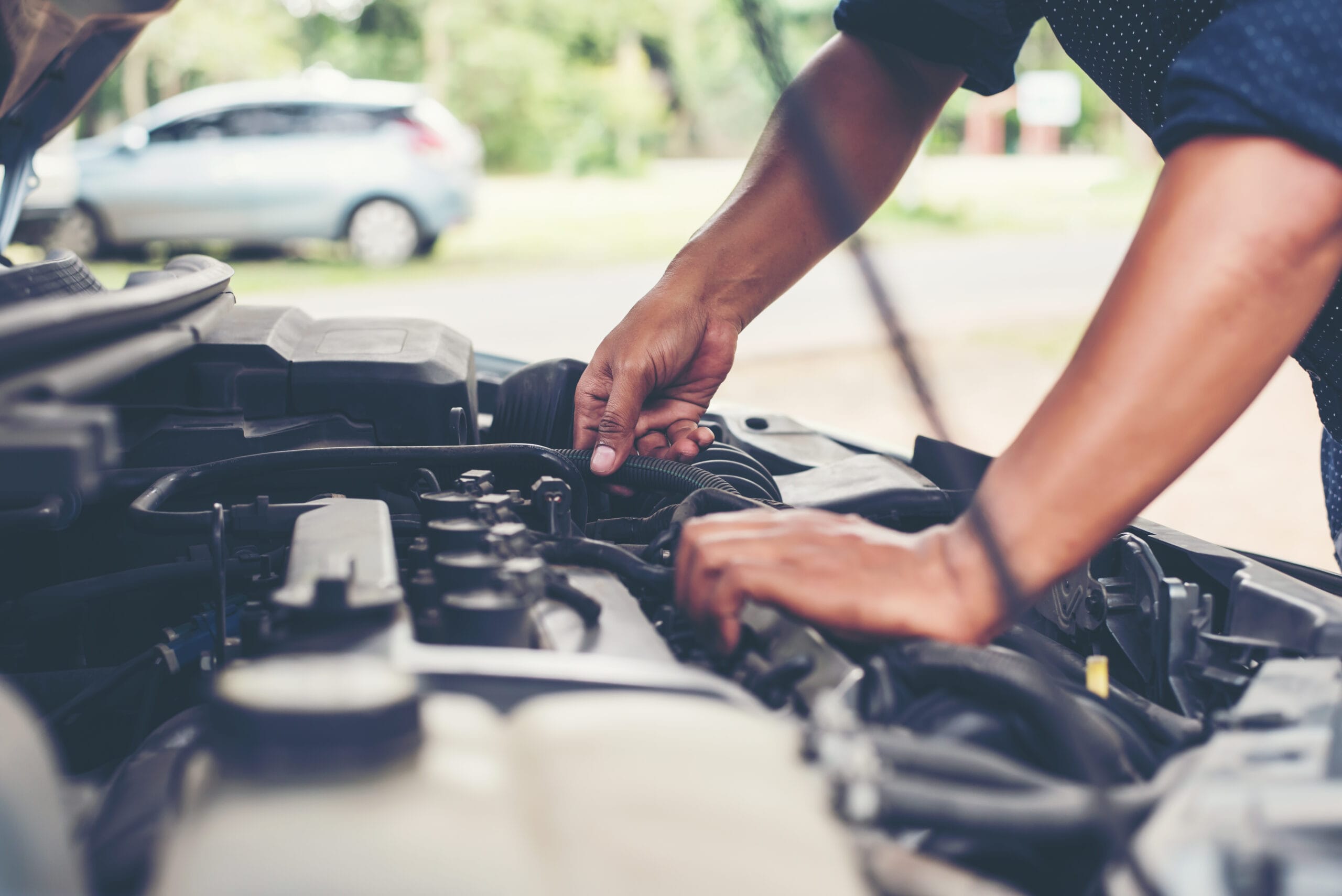
Symptoms That Indicate You Need a Tune-Up
How to Recognize Performance Problems Before They Become Repairs
Many drivers think of tune-ups as optional or outdated, but in modern vehicles, tune-ups are symptom-driven. Engines no longer rely on routine adjustments, but they still depend on clean airflow, strong ignition, and precise fuel delivery. When those systems fall out of balance, your vehicle begins to show clear warning signs.
This page is designed for high-intent diagnostic searches. Each symptom below is fully explained on its own, so you can understand what’s happening, why it points to tune-up-related components, and why addressing it early matters.
Rough Idle Causes
A rough idle is one of the most common signs that an engine is no longer running efficiently.
What Rough Idle Feels Like
- Engine shakes or vibrates at stoplights
- RPMs fluctuate while stopped
- Vehicle feels unstable when idling in gear
A healthy engine should idle smoothly and consistently.
Common Tune-Up Related Causes
Rough idle is often caused by:
- Worn or fouled spark plugs
- Dirty throttle body
- Carbon buildup in the intake system
- Weak or failing ignition coils
- Vacuum leaks affecting air-fuel balance
When airflow or ignition timing becomes inconsistent, combustion quality drops, and the engine struggles to maintain a steady idle.
Why Rough Idle Shouldn’t Be Ignored
Left unaddressed, rough idle can:
- Worsen into stalling
- Increase fuel consumption
- Stress ignition and fuel components
A tune-up that includes spark plug inspection, throttle body cleaning, and ignition checks often restores idle quality quickly.
Poor Gas Mileage Reasons
Declining fuel economy is often one of the first signs that a vehicle needs maintenance, even before warning lights appear.
Why Fuel Economy Drops Over Time
As components wear or become dirty:
- Fuel is not burned as efficiently
- The engine works harder to produce the same power
- Sensors compensate by adding more fuel
This results in higher fuel consumption with no added benefit.
Tune-Up Related Causes of Poor Mileage
Common contributors include:
- Worn spark plugs causing incomplete combustion
- Dirty fuel injectors disrupting spray patterns
- Clogged engine air filter restricting airflow
- Throttle body deposits affecting airflow control
Even small inefficiencies add up over thousands of miles.
Why a Tune-Up Helps Fuel Economy
A proper tune-up restores:
- Efficient combustion
- Balanced air-fuel mixture
- Smooth engine operation
Many drivers notice improved mileage after addressing these components, especially if maintenance has been delayed.
Engine Hesitation When Accelerating
Hesitation is a momentary delay between pressing the gas pedal and the vehicle responding.
What Hesitation Feels Like
- Engine stumbles or pauses during acceleration
- Delayed response when merging or passing
- Jerky or uneven power delivery
This symptom is especially noticeable under load.
Common Tune-Up Related Causes
Engine hesitation is often caused by:
- Dirty fuel injectors
- Weak ignition coils
- Worn spark plugs
- Throttle body buildup
- Delayed sensor response
Modern engines rely on precise timing and airflow. When components can’t keep up, hesitation occurs.
Why Hesitation Is a Safety Issue
Hesitation can make:
- Merging onto highways unsafe
- Passing slower traffic difficult
- Acceleration unpredictable
Tune-up services that clean fuel and air pathways and restore ignition strength often resolve hesitation without major repairs.
Hard Starting Issues
Hard starting means the engine takes longer than normal to start or requires multiple attempts.
Common Signs of Hard Starting
- Extended cranking before the engine fires
- Engine starts, then immediately stalls
- Starts better when warm than cold, or vice versa
Hard starting often worsens gradually.
Tune-Up Related Causes of Hard Starting
Common contributors include:
- Worn spark plugs requiring more voltage to fire
- Weak ignition coils
- Dirty throttle body restricting airflow at startup
- Fuel system deposits affecting cold starts
Cold starts are especially demanding on ignition components, which is why worn parts show symptoms first during startup.
Why Hard Starting Should Be Addressed Early
Ignoring hard starts can:
- Strain the starter and battery
- Lead to stalling
- Mask deeper ignition issues
Tune-up inspections often identify the cause before it results in a no-start condition.
Check Engine Light Related to Ignition
Not all check engine lights point to major failures. Many are directly related to tune-up components.
Common Ignition-Related Trouble Codes
Check engine lights often appear due to:
- Engine misfires
- Faulty ignition coils
- Spark plug performance issues
- Air-fuel imbalance
Misfire-related codes are among the most common triggers for the check engine light.
What Ignition-Related Lights Mean
Even if the vehicle still drives:
- Fuel economy is usually reduced
- Emissions increase
- Catalytic converter damage risk rises
Modern vehicles may also reduce power to protect the engine when misfires are detected.
Why Tune-Ups Often Resolve These Lights
Replacing worn spark plugs, addressing coil issues, and cleaning airflow components often:
- Eliminate misfires
- Restore normal combustion
- Turn off the check engine light once the codes are cleared
Ignoring ignition-related warning lights can lead to much more expensive exhaust and engine repairs.
Additional Symptoms That Often Indicate a Tune-Up Is Needed
Some symptoms don’t immediately get linked to tune-ups but are commonly related.
Decreased Engine Responsiveness
If the engine feels less lively or slower to respond than it used to:
- Combustion efficiency may be reduced
- Airflow or ignition strength may be compromised
This often develops gradually and is easy to overlook.
Engine Feels Rough Under Load
If the engine runs fine at idle but struggles during acceleration or climbing hills:
- Ignition components may be weak
- Fuel delivery may be inconsistent
These symptoms often appear before a full misfire occurs.
Increased Exhaust Smell
A stronger or unusual exhaust odor can indicate:
- Incomplete combustion
- Excess fuel entering the exhaust
Tune-up components help restore clean, efficient combustion.
Why These Symptoms Point to Tune-Up Needs
Tune-ups address the systems responsible for:
- Igniting fuel
- Delivering air
- Maintaining efficient combustion
When those systems degrade, symptoms appear before complete failure. Addressing them early restores performance and prevents more serious issues.
Tune-Up vs Major Repair: Why Timing Matters
Many drivers wait until symptoms become severe, but early tune-up service can:
- Prevent misfire damage
- Protect catalytic converters
- Improve fuel economy
- Restore drivability
Waiting too long often turns routine maintenance into costly repairs.
What to Do If You Notice These Symptoms
If your vehicle shows any of the symptoms above:
- Don’t assume it’s normal aging
- Avoid aggressive driving
- Schedule a professional evaluation
A tune-up inspection identifies whether the issue is maintenance-related or requires deeper diagnosis.
Trust Colony Tire & Service For Your Next Tune-Up
A rough idle, poor gas mileage, hesitation, hard starting, and an ignition-related check engine light are strong indicators that a vehicle may need a tune-up. These symptoms typically point to worn spark plugs, ignition issues, restricted airflow, or fuel system deposits.
Modern tune-ups are not guesswork. They are targeted services designed to restore performance, efficiency, and reliability before problems escalate. Recognizing these warning signs early helps keep your vehicle running smoothly and avoids unnecessary repairs.
If your engine doesn’t feel as smooth, responsive, or efficient as it once did, these symptoms are often your vehicle’s way of asking for attention before something bigger goes wrong.