


 Tire Services
Symptoms of Dirty or Low Oil
What Your Engine Is Telling You and Why Oil Problems Should Never Be Ignored
Oil-related issues are among the most common causes of engine damage, yet they often begin with subtle symptoms that are easy to overlook. Many drivers don’t realize there’s an issue until a warning light comes on or the engine begins to sound or smell different.
This page focuses on diagnostic and problem-intent searches. Each section below explains a specific symptom, what it usually means, and why low or dirty oil can quickly escalate into a serious and expensive problem if left unaddressed.
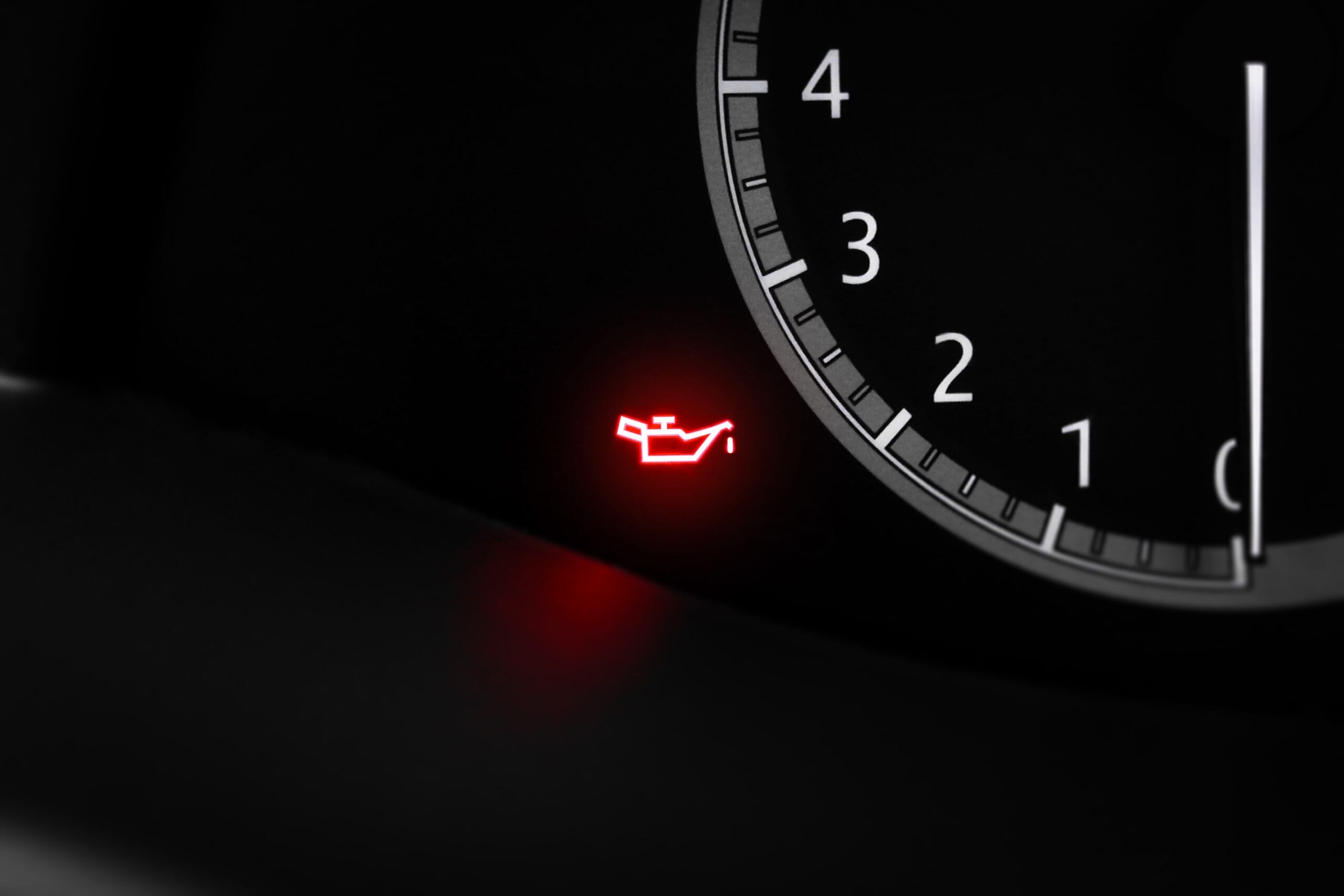
Low Oil Pressure Warning Light
A low oil pressure warning light is one of the most serious oil-related alerts your vehicle can display.
What the Warning Light Actually Means
This light does not simply mean you are due for an oil change. It usually indicates:
- Oil pressure has dropped below safe operating levels
- The engine is not receiving enough lubrication
Oil pressure is what allows oil to reach bearings, camshafts, and other moving parts. Without proper pressure, metal components can make direct contact.
Common Causes of Low Oil Pressure
Low oil pressure is often caused by:
- Low oil level
- Oil that is too old or broken down
- Oil diluted with fuel or moisture
- Clogged oil passages from sludge
- Internal engine wear
Why This Is Urgent
Driving with low oil pressure can cause immediate engine damage. If this light comes on while driving, the safest action is to shut off the engine as soon as possible and have it inspected.
Ignoring this warning is one of the fastest ways to destroy an engine.
Engine Knocking From Low Oil
Engine knocking is a deep, metallic sound that often gets louder with engine speed. When oil is low or dirty, knocking can appear suddenly or gradually worsen over time.
Why Low Oil Causes Knocking
Oil creates a protective film between moving engine parts. When oil level or quality drops:
- That protective layer breaks down
- Metal parts begin to contact each other
- Internal clearances increase
This metal-to-metal contact produces the knocking or tapping noise drivers hear.
When Knocking Is Most Noticeable
Oil-related knocking often:
- Starts during cold starts
- Gets louder under acceleration
- Improves briefly after adding oil, then returns
Why Knocking Should Never Be Ignored
Knocking means internal engine wear is already occurring. Continued driving can lead to:
- Bearing failure
- Severe internal damage
- Complete engine failure
Adding oil may temporarily quiet the noise, but it does not fix the underlying problem if the oil condition or pressure is compromised.
Burning Oil Smell
A burning oil odor is a strong indicator that oil is escaping its normal path and contacting hot engine components.
What a Burning Oil Smell Usually Means
This smell often points to:
- Oil is leaking onto the exhaust system
- Oil seeping from the alve cover or gasket areas
- Oil burning inside the engine
The smell is typically sharp and acrid, different from fuel or coolant odors.
Common Situations When the Smell Appears
Drivers often notice a burning oil smell:
- After parking the vehicle
- When idling at stoplights
- After long highway drives
Heat intensifies the smell, making it more noticeable after driving.
Why This Symptom Matters
Burning oil can:
- Indicate worsening leaks
- Increase fire risk in severe cases
- Signal internal oil consumption
Even small leaks tend to grow over time. Addressing them early helps prevent larger repairs and oil loss.
Oil Leaks vs Oil Consumption
Many drivers notice the oil level dropping but aren’t sure why. Understanding the difference between oil leaks and oil consumption is critical for proper diagnosis.
Oil Leaks Explained
Oil leaks occur when oil escapes from the engine.
Common signs of oil leaks:
- Oil spots under the vehicle
- Wet or greasy engine components
- Burning oil smell from the exhaust contact
Common leak sources include:
- Valve cover gaskets
- Oil pan gaskets
- Seals and O-rings
Leaks are often visible and usually worsen gradually.
Oil Consumption Explained
Oil consumption happens when oil is burned inside the engine.
Common signs of oil consumption:
- Oil level drops with no visible leaks
- Blue or gray exhaust smoke
- Frequent need to top off oil
Oil consumption is often caused by:
- Worn piston rings
- Valve seal wear
- High engine mileage
Why the Difference Matters
Oil leaks affect the engine’s exterior. Oil consumption affects internal components.
Both conditions can lead to dangerously low oil levels if not monitored, but oil consumption is easier to miss because it leaves no puddles.
Sludge Buildup Symptoms
Oil sludge is one of the most damaging consequences of dirty or neglected oil.
What Sludge Is
Sludge forms when oil:
- Breaks down from heat
- Mixes with moisture and contaminants
- Is not changed often enough
Instead of flowing freely, oil thickens into a tar-like substance that clogs passages.
Early Symptoms of Sludge Buildup
In the early stages, sludge may cause:
- Slower oil pressure buildup at startup
- Reduced fuel efficiency
- Engine running hotter than normal
These signs are subtle and often ignored.
Advanced Sludge Symptoms
As sludge worsens, drivers may notice:
- Oil pressure warning light flickering
- Engine noise or knocking
- Rough idling
- Check engine light
In severe cases, sludge can completely block oil flow, starving critical components of lubrication.
Why Dirty Oil Causes These Problems
Dirty oil loses its ability to:
- Lubricate moving parts
- Carry heat away from the engine
- Keep contaminants suspended
As oil degrades, friction increases, temperatures rise, and wear accelerates.
Modern engines are especially sensitive to oil condition due to:
- Tighter tolerances
- Turbochargers
- Variable valve timing systems
This makes timely oil service more important than ever.
Additional Warning Signs of Oil Problems
Some oil-related symptoms don’t always get linked to oil issues right away.
Loud Engine Operation
Engines often sound louder when oil is low or dirty because friction increases.
Reduced Performance
Dirty oil can reduce:
- Engine responsiveness
- Fuel economy
- Overall smoothness
Frequent Oil Top-Offs
Needing to add oil regularly often indicates:
- Active leaks
- Oil consumption
- Internal wear
Frequent top-offs without addressing the cause can hide serious problems.
Why Oil Problems Escalate Quickly
Oil issues tend to compound rather than stabilize.
For example:
- Low oil increases heat
- Heat accelerates oil breakdown
- Breakdown creates sludge
- Sludge restricts oil flow
This cycle can rapidly turn a minor maintenance issue into a major engine repair.
What to Do If You Notice These Symptoms
If you experience any of the symptoms above, the safest next steps are:
- Check the oil level if possible
- Avoid extended driving
- Schedule an inspection promptly
Continuing to drive while hoping symptoms resolve often worsens the damage.
How Professional Oil Service Helps Diagnose Problems
A professional oil service does more than replace oil.
It also includes:
- Checking oil level accuracy
- Inspecting for leaks
- Evaluating oil condition
- Identifying signs of sludge or consumption
Catching problems early can prevent engine damage and reduce long-term costs.
Why Ignoring Oil Symptoms Is Risky
Oil problems rarely fix themselves. Ignoring symptoms increases the likelihood of:
- Permanent engine damage
- Costly internal repairs
- Unexpected breakdowns
Most severe engine failures linked to oil issues begin with small, ignored warning signs.
Dirty or low oil produces clear symptoms when you know what to look for. Low oil pressure warnings, engine knocking, burning oil smells, unexplained oil loss, and sludge buildup all indicate lubrication problems that should be addressed quickly. Schedule a service as soon as you notice them.
Oil is the engine’s primary defense against heat and wear. When the oil level or quality drops, damage accelerates rapidly. Recognizing these symptoms early and responding promptly can mean the difference between routine maintenance and major engine repair.
If your engine doesn’t sound, smell, or feel normal, the oil condition is one of the first things to check.