



 Tire Services
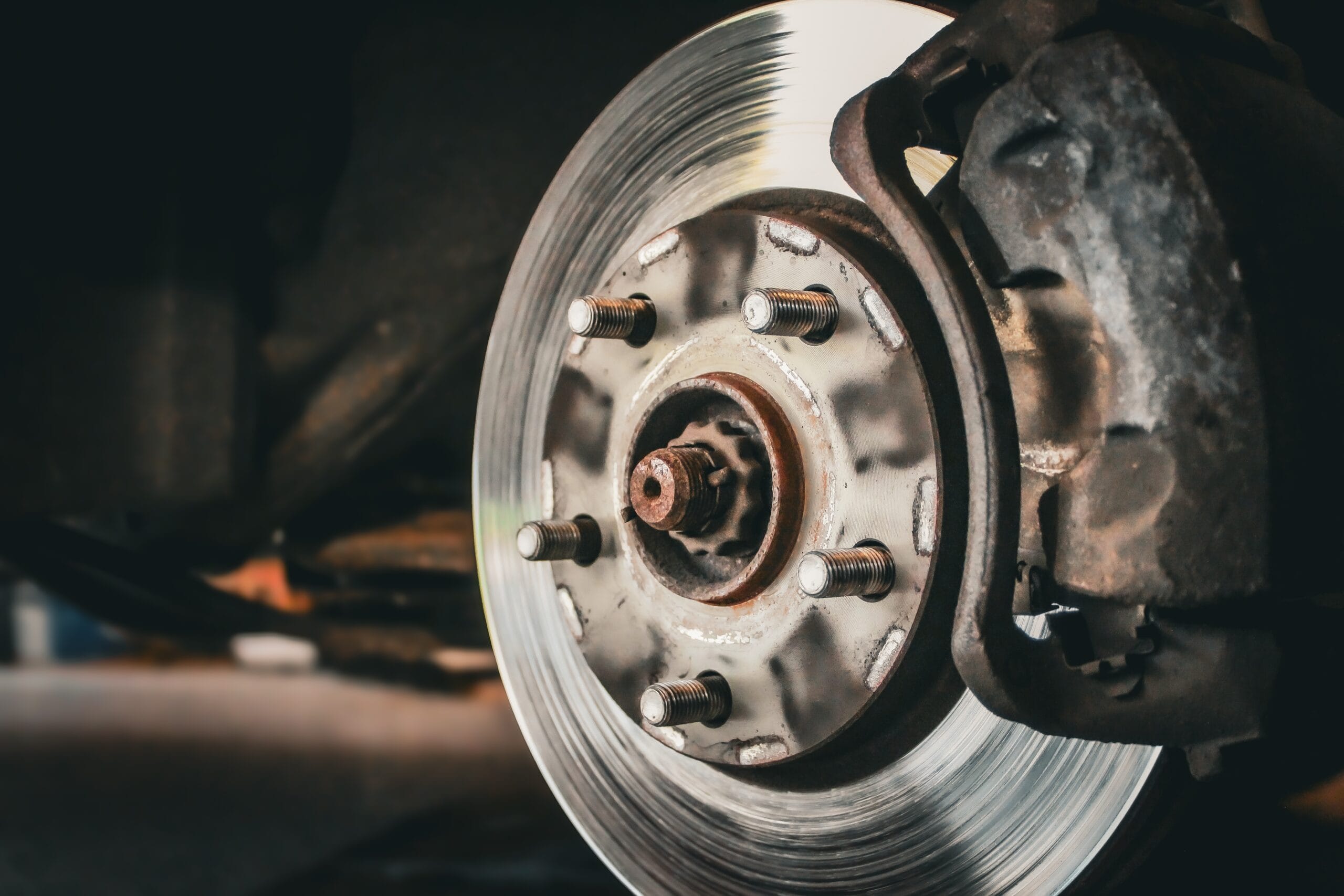
Brake Service Timing
When to Service Your Brakes, What to Watch For, and Why Timing Matters
Brake problems rarely happen all at once. In most cases, brakes wear gradually and give clear warning signs long before they become dangerous. The challenge is knowing when normal wear becomes a safety issue and when maintenance turns into an urgent repair.
This page is for maintenance-minded drivers who want to stay ahead of issues, protect their vehicle, and avoid unexpected breakdowns. Each section below is designed to stand on its own, so you can jump directly to the question you’re asking and get a complete answer.
How Long Brake Pads Last
Brake pads are designed to wear out. How long they last depends on how and where you drive, not just on the pad’s quality.
Average Brake Pad Lifespan
Most brake pads last:
- 30,000 to 70,000 miles for typical driving
- Less for city driving with frequent stops
- More for highway driving with gradual braking
Front brake pads usually wear faster than rear pads because the front brakes handle more stopping force.
What Shortens Brake Pad Life
Brake pads wear faster when:
- You drive mostly in stop-and-go traffic
- You brake aggressively or ride the brakes
- You frequently tow or carry heavy loads
- The vehicle has alignment or suspension issues
Low-quality pads may wear faster, but even premium pads won’t last long under demanding driving conditions.
Replacing pads at the right time through brake pad service prevents rotor damage and keeps stopping distances consistent.
When to Replace Brake Rotors
Brake rotors work alongside pads and are exposed to extreme heat and friction. Unlike pads, rotors don’t always need to be replaced every time brakes are serviced.
Typical Rotor Lifespan
Brake rotors often last:
- One to two sets of brake pads
- Roughly 50,000 to 100,000 miles, depending on use
Some rotors can be resurfaced if wear is minimal, but many modern rotors are designed to be thinner and are replaced rather than machined.
Signs Rotors Need Replacement
Rotors usually need replacement if:
- They are warped and cause vibration
- Deep grooves or scoring are visible
- Thickness is below the manufacturer’s specifications
- Overheating has caused hard spots or cracking
Ignoring worn rotors can lead to:
- Steering wheel shake while braking
- Reduced braking effectiveness
- Faster pad wear
This is why rotor condition is always checked during a brake inspection and often addressed during pad replacement.
Brake Inspection Frequency
Regular brake inspections are the best way to avoid unexpected brake failure and high repair costs.
How Often Brakes Should Be Inspected
Most vehicles should have brakes inspected:
- At least once per year
- Every 12,000 miles
- At every tire rotation
- Any time symptoms appear
Brakes can appear fine from the outside while being dangerously worn on the inside, especially on vehicles with caliper or hardware issues.
What a Brake Inspection Includes
A proper inspection checks:
- Brake pad thickness
- Rotor condition
- Caliper operation
- Brake fluid level and condition
- Brake hoses and lines
Regular inspections allow small issues to be corrected early, often avoiding full brake replacement.
Signs Brakes Need Replacement
Brakes rarely fail without warning. Most vehicles show multiple signs before braking performance becomes unsafe.
Common Warning Signs
Brakes may need replacement if you notice:
- Squealing or chirping noises
- Grinding sounds when braking
- Vibration or shaking during stops
- Longer stopping distances
- Brake pedal feels soft or inconsistent
Visual and Mechanical Indicators
Other signs include:
- Brake warning light on the dashboard
- Wheels covered in excessive brake dust
- Vehicle pulling while braking
- Burning smell after driving
Any of these symptoms should prompt a brake system inspection to determine whether pads, rotors, or other components are worn.
Can You Drive With Bad Brakes?
This is one of the most common and most dangerous questions drivers ask.
Short Answer: It Depends, But It’s Risky
Driving with worn or failing brakes is always a safety risk. How dangerous it is depends on the severity of the problem.
When Driving Is Especially Dangerous
You should not drive if:
- Brakes are grinding metal-to-metal
- The brake pedal sinks toward the floor
- The red brake warning light is on
- The vehicle shakes violently when braking
In these situations, stopping distance may be severely reduced or unpredictable.
Why Delaying Brake Service Makes Things Worse
Continuing to drive with bad brakes can:
- Destroy brake rotors
- Overheat calipers
- Damage brake lines
- Increase repair costs significantly
What starts as a pad replacement can quickly escalate into a full brake system repair if left unaddressed.
Additional Timing-Related Brake Issues to Know
Brake Fluid Service Timing
Brake fluid absorbs moisture over time, reducing braking performance and promoting corrosion.
Most vehicles need a brake fluid flush:
- Every 2 to 3 years
- Or as recommended by the manufacturer
Old brake fluid can cause a soft pedal and reduced braking response, even if pads and rotors are in good shape.
Brake Service After Suspension or Tire Work
Brake service timing often overlaps with other maintenance.
Brake inspections are especially important:
- After suspension repairs
- After wheel alignment work
- When installing new tires
Changes in suspension geometry or tire grip can expose brake issues that were previously unnoticed.
Why Brake Service Timing Affects Safety
Brakes are a wear-based system. Performance declines gradually, not suddenly, which makes it easy to underestimate risk.
As brakes wear:
- More pedal pressure is required
- Heat builds faster
- Emergency stopping becomes less effective
Proper service timing ensures:
- Predictable stopping distances
- Consistent pedal feel
- Reduced risk during sudden stops
This is especially important in everyday driving situations like school zones, intersections, and highway traffic.
How Timely Brake Service Saves Money
Many drivers delay brake service to save money, but the opposite is usually true.
Early service can:
- Prevent rotor replacement
- Reduce labor time
- Extend component life
- Avoid breakdowns and towing
Replacing pads early is significantly less expensive than replacing pads, rotors, and calipers together.
What to Do If You’re Unsure About Brake Timing
If you’re not sure whether your brakes need service, guessing is never the best approach.
The safest next step is:
- A professional brake inspection
- A clear explanation of the remaining pad life
- Guidance on whether service is needed now or later
This allows you to plan maintenance rather than react to emergencies.
Brake service timing is about safety, not just maintenance schedules. Brake pads wear at different rates depending on driving habits, rotors last longer but still require monitoring, and regular inspections prevent surprises.
Knowing how long brake pads last, when rotors should be replaced, how often brakes should be inspected, and the risks of driving with bad brakes helps you make confident, informed decisions.If your brakes are showing warning signs or it’s been a while since they were inspected, timely service is one of the smartest investments you can make in your vehicle’s safety and reliability.